
Agronomic plan
- Field and zone
- Selected practice
- Planned operation
Marketplace, FinOps & Carbon connects field needs with resources, support programs, and evidence. An agreed agronomic plan helps identify what to purchase or request as a service, which source materials to prepare, and which factual records to retain for reporting and applicable climate scenarios.
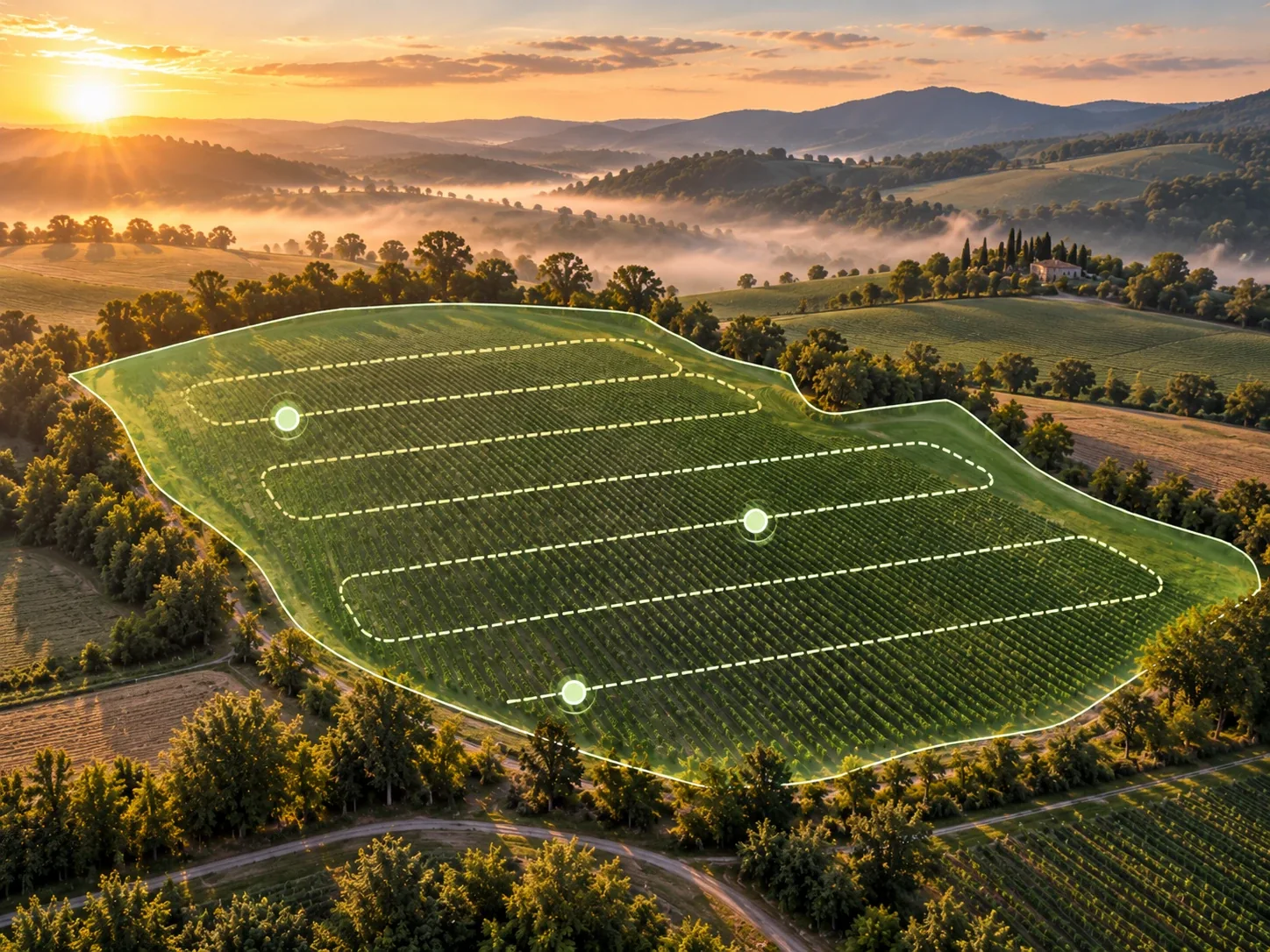
Illustrative document structure
Marketplace connects an agreed work plan with the resources and services needed to carry it out. The starting point is a specific field task: the crop, zone, season, selected practice, and planned operation.
The system helps prepare a working list of categories to review: items to purchase, services to request, or requirements to add to a preliminary specification. A specialist checks the scope, quantities, timing, and suitability before the next step.
This plan defines the resources and services to review below.
Seeds and cover crop mixtures considered in the context of the crop, season, and agreed practice.
Categories for precision and targeted application where agronomically justified.
Agricultural machinery, batteries, spare parts, and robotic system components linked to the planned operation.
FinOps helps organize the data, documents, and evidence records that may be needed when preparing for applicable financial support programs, including USDA RPP, EQIP, CSP, Bayer Carbon Program, and others.
Structure a package of source materials.
Identify potentially applicable programs for further assessment.
Collect and retain records that demonstrate the completion of field practices and operations.
Carbon connects field operation records with resource consumption data. This helps assess which climate methodologies may apply and which supporting evidence is missing. The collected materials form an evidence package. Independent verification and registration depend on the requirements of the selected methodology and program.
Estimate potential changes using a selected method and identify missing data.
A calculated indicator of the carbon intensity of a product or operation, where sufficient source data is available.
A documented history of practices and operations: what was done, where, when, and which records support it.