Observation
- Data source
- Observation time
- Field zone
Fleet & Sense brings together sensors, robotic machinery, drones, and service workflows. Observations become tasks, and completed operations return to AI DataCore as verified records.
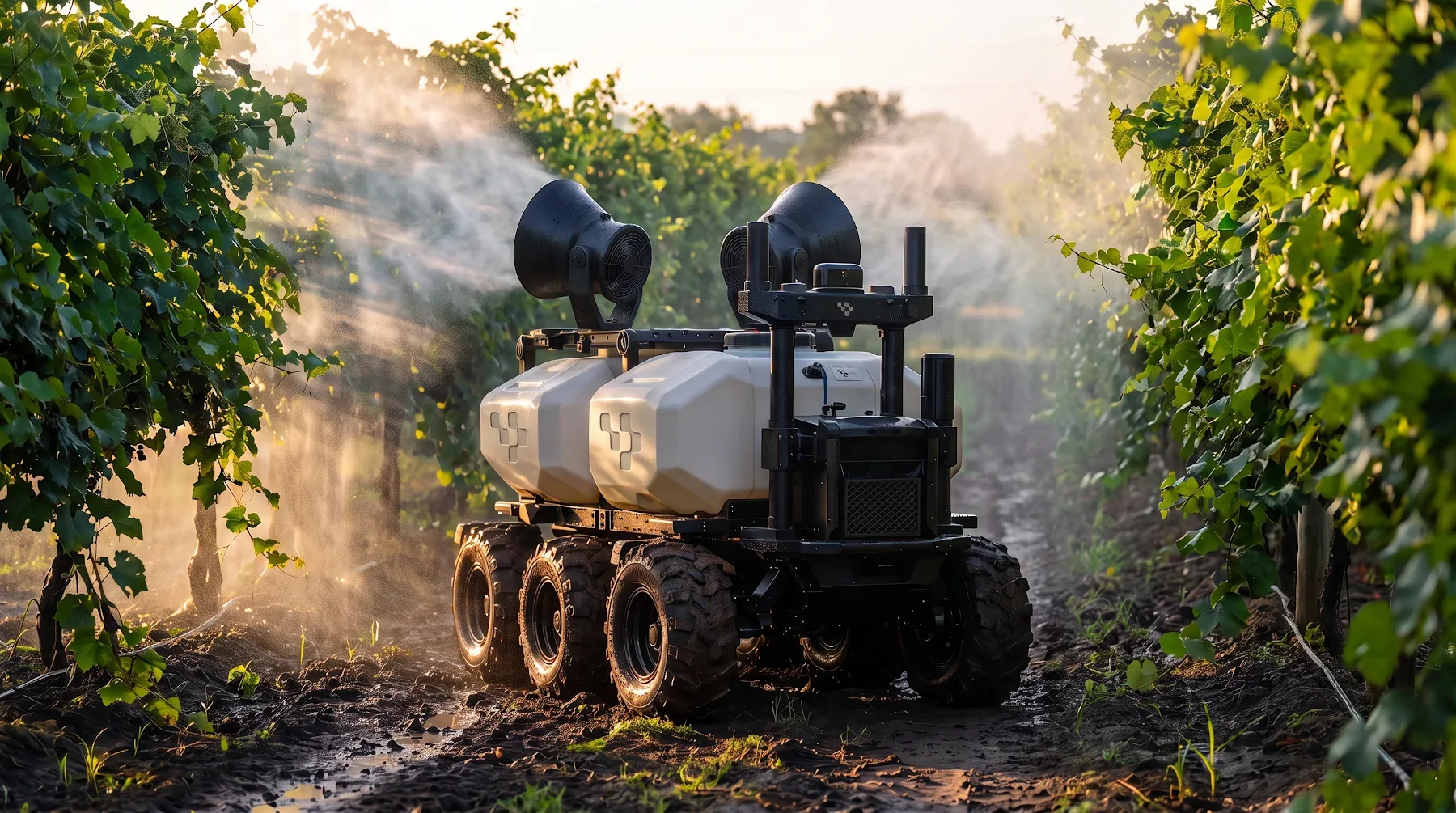
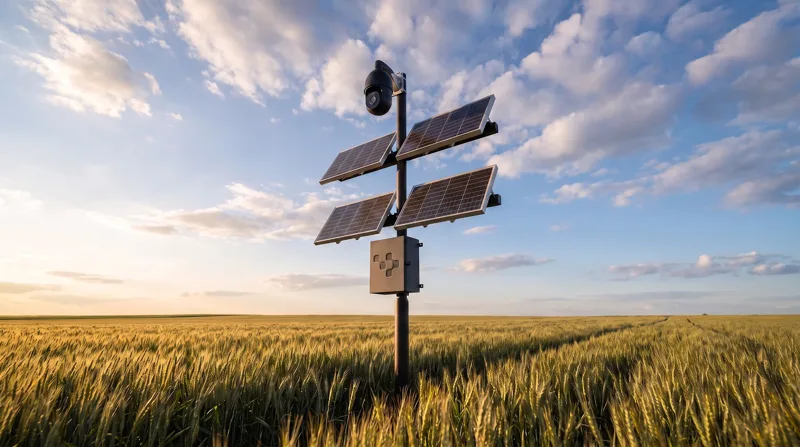
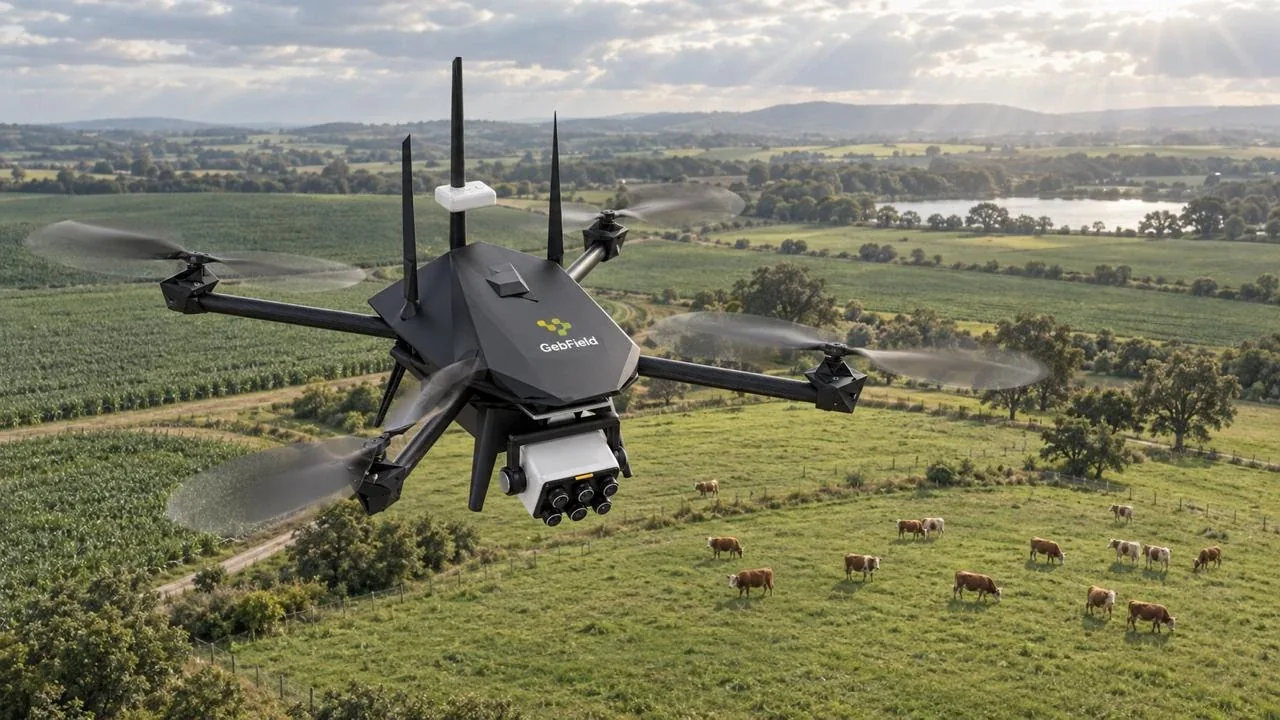
Sense handles observation; Fleet handles execution. AI DataCore connects them in one workflow: understand field conditions, prepare an approved action, dispatch the task, and retain telemetry from the actual field pass. Equipment stays connected to the agronomic objective and the record of its execution.
Illustrative workflow · Each record stays connected to the same field task.
Machinery already operating on the farm can connect to Fleet through the integration layer and carry out approved tasks alongside autonomous modules.
Fleet sends approved tasks to ground equipment and retains execution data.
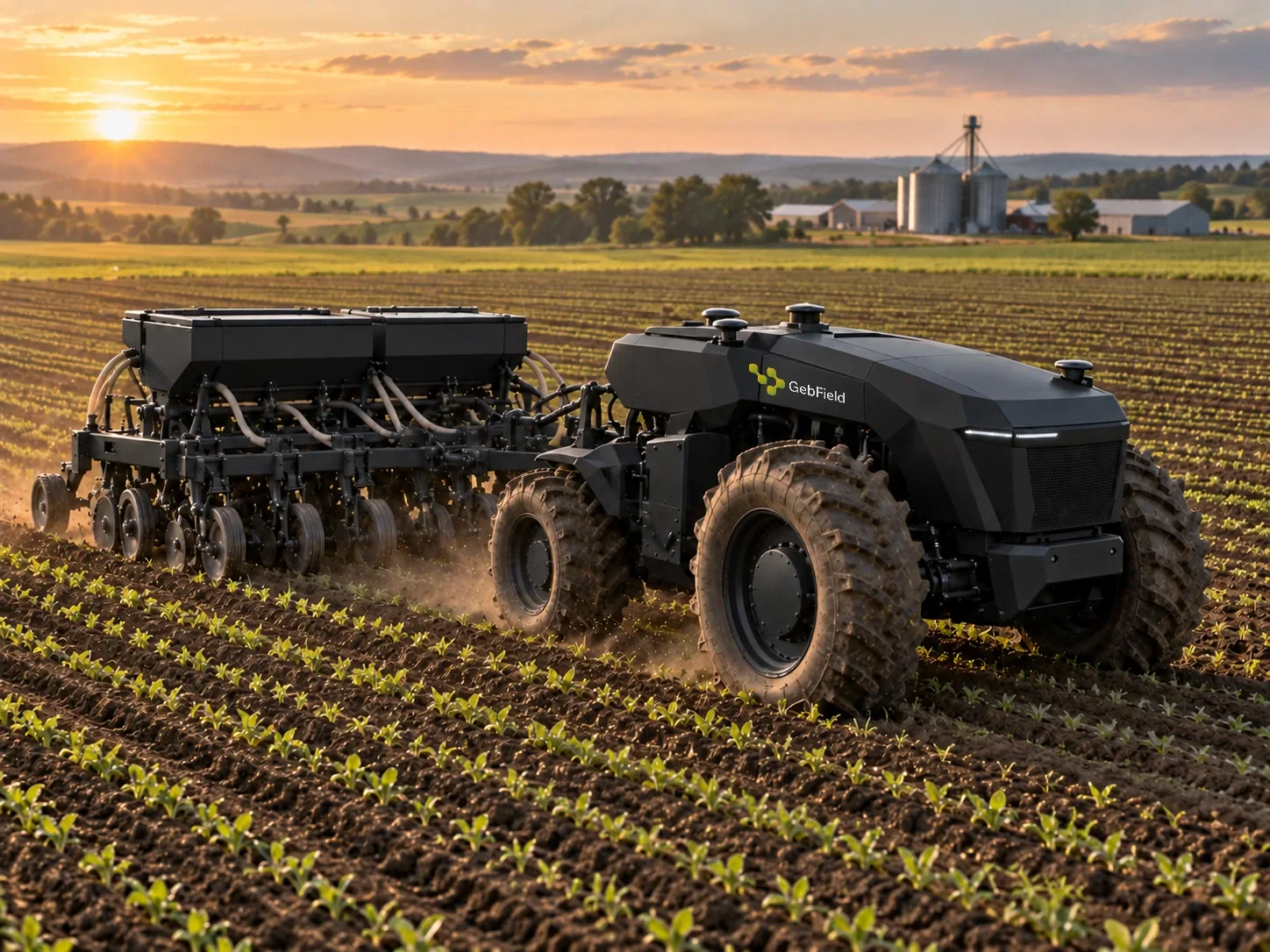
A fleet of autonomous electric tractors for direct seeding, including cover crops. The machinery mows vegetation and applies fertilizers according to an approved prescription map tailored to field zones.
Aerial modules are part of the GebField ecosystem for observation and execution.
A mobile system combining a carrier van, a drone fleet, a scout drone, a robotic service station, and an analytics layer for deployment, scouting, data collection, and service operations.
A Mobile AgriDrone Fleet component that observes fields and collects factual data, generating signals for specialist review.
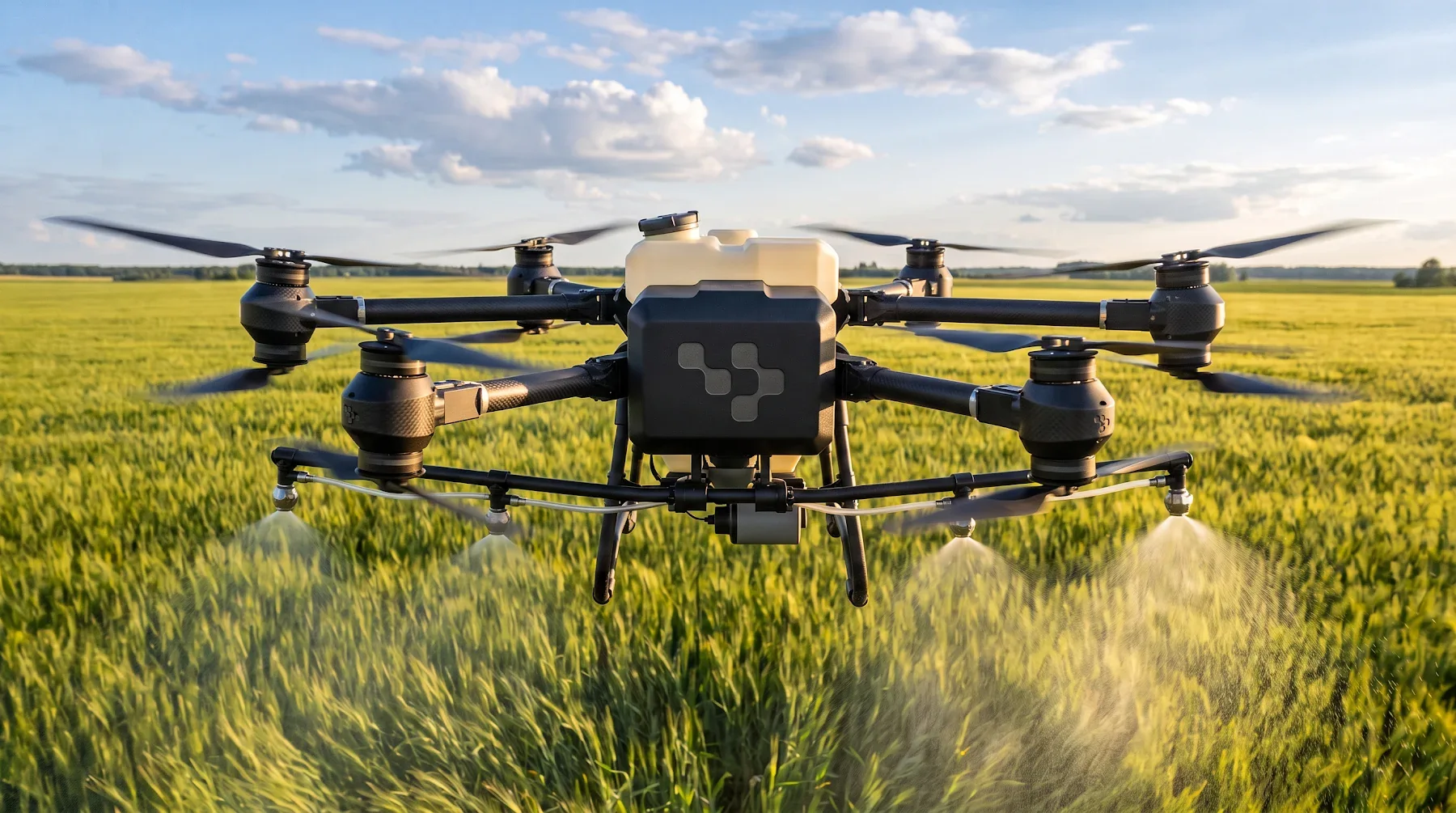
A heavy-duty agricultural drone for targeted application of crop protection products, fertilizers, biological products, and biostimulants where permitted and with operator approval.
Application is subject to local regulations, permitted operating conditions, and operator approval.
Deployment
Observation
Specialist review
Permitted operation
Report
Sensors form the ecosystem’s observation layer. They capture local signals and send them to DataCore for review in the context of the field.
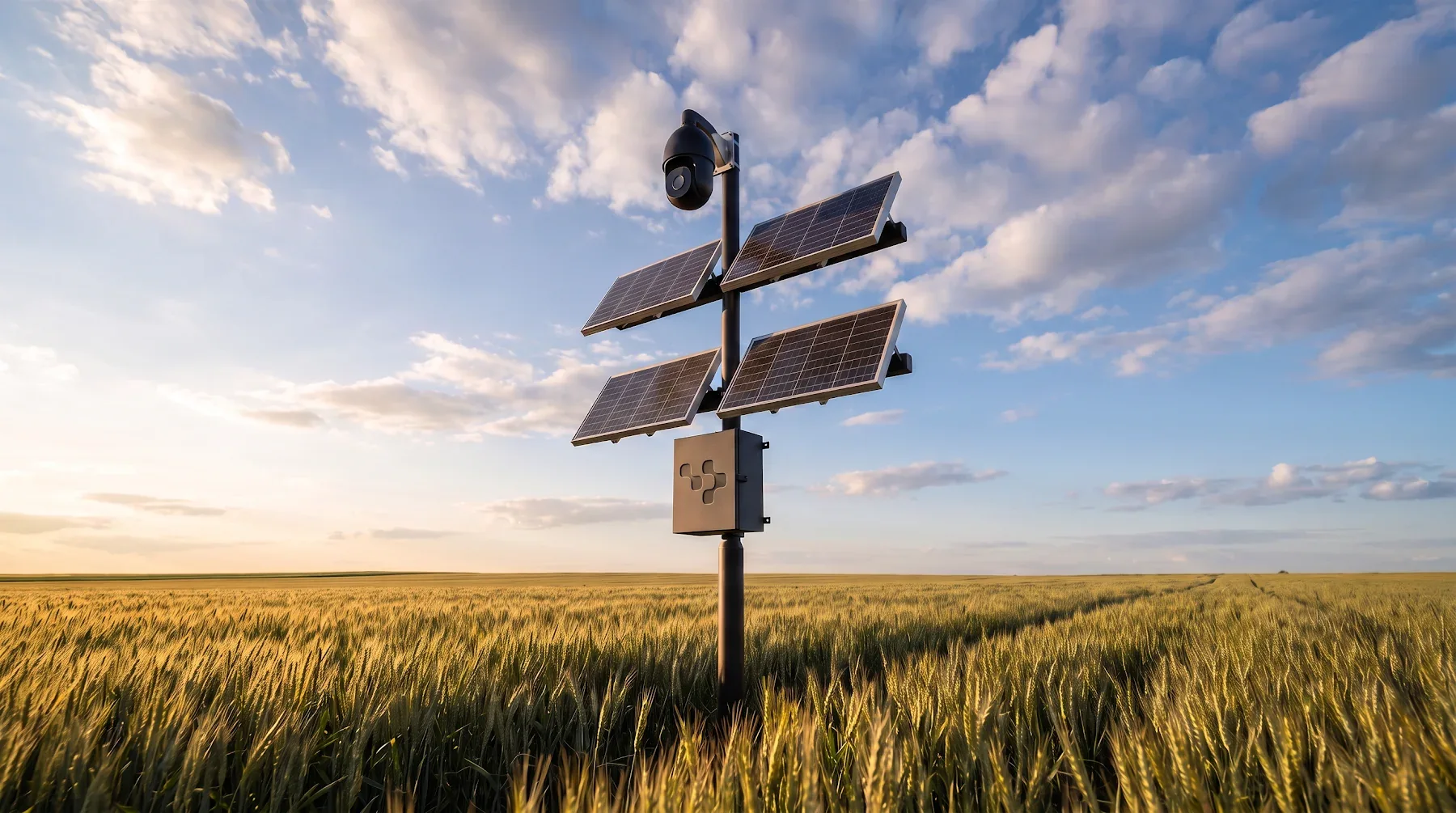
An autonomous field station for monitoring weather, soil and crop conditions, microclimate, insects, diseases, and biological risks.
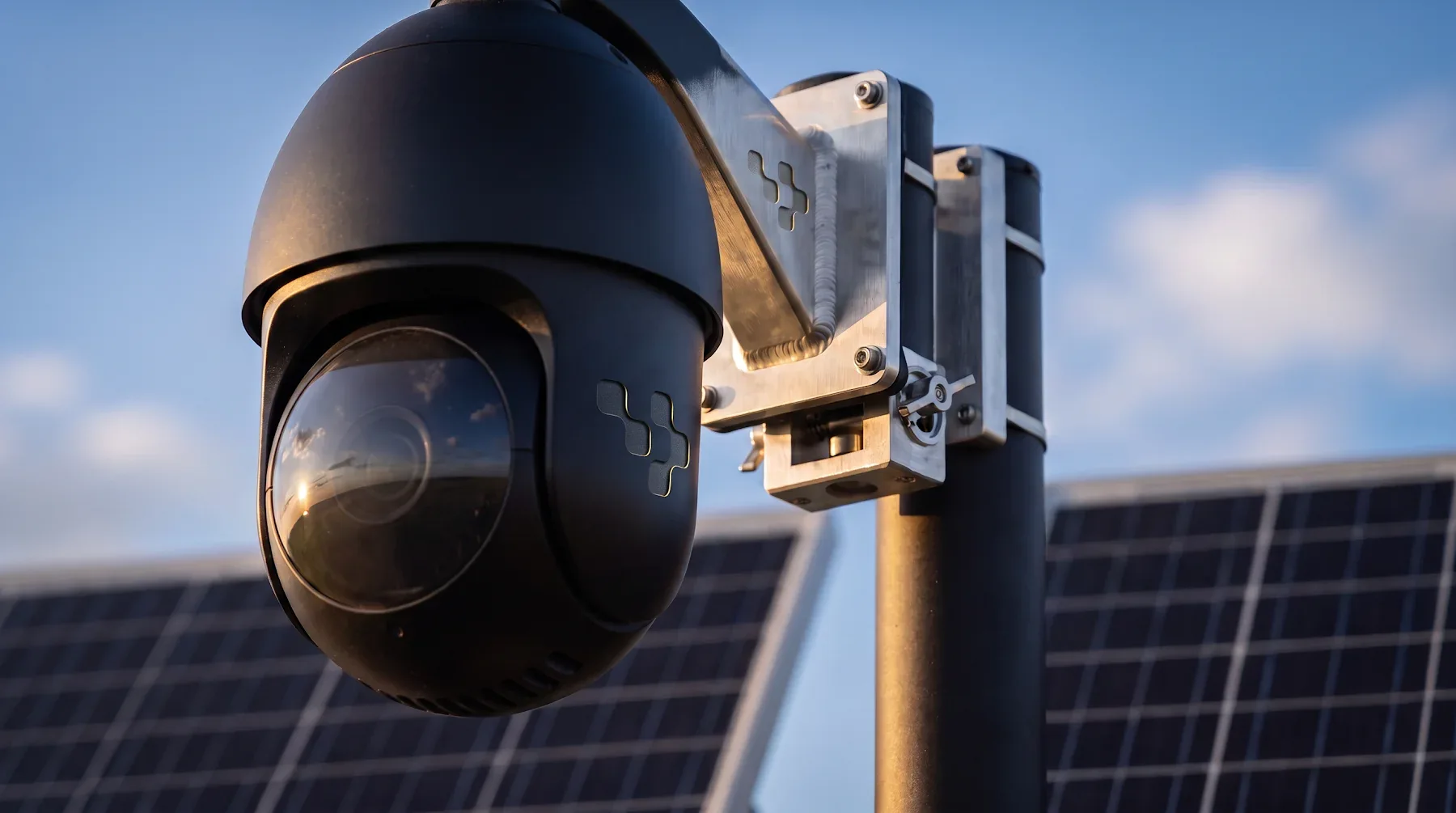
An autonomous pest monitoring station with a camera, trap, sensors, AI recognition, and automated counting. It generates a signal for specialist review rather than replacing crop protection decisions.
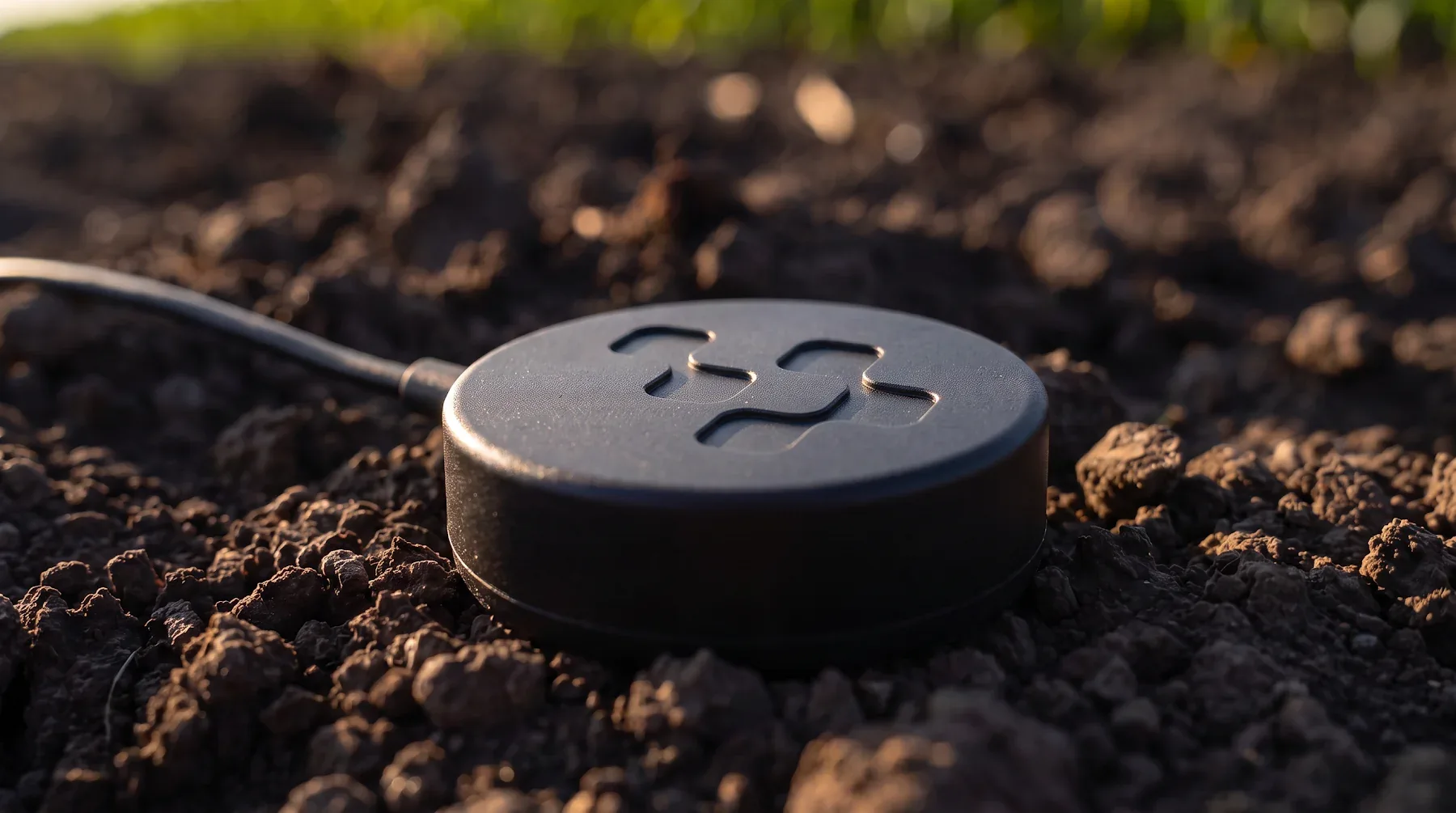
Moisture and temperature data tied to a specific zone and observation time for a more contextual understanding of field conditions.
Livestock modules help collect observations on animal condition and support managed grazing workflows.
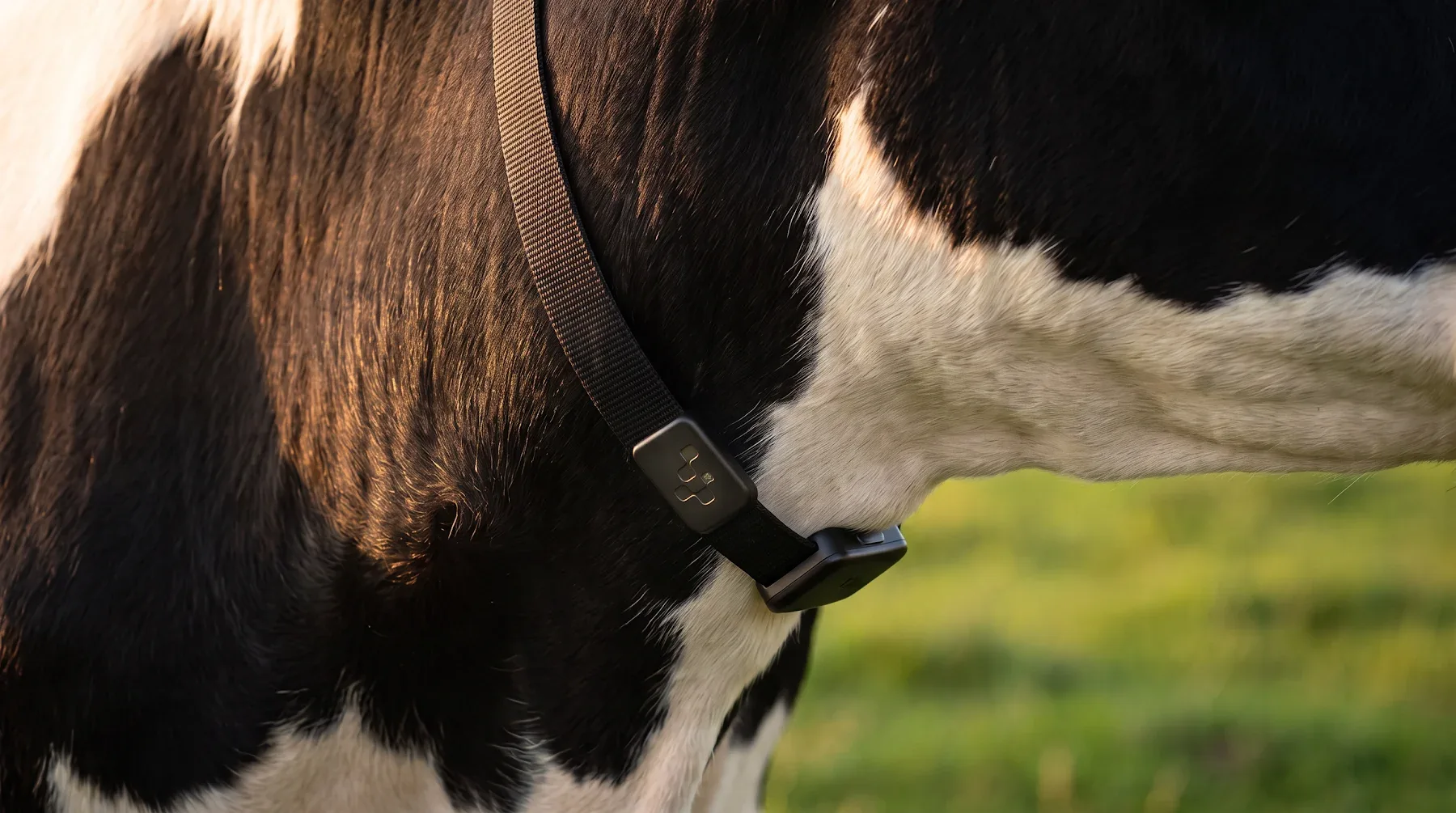
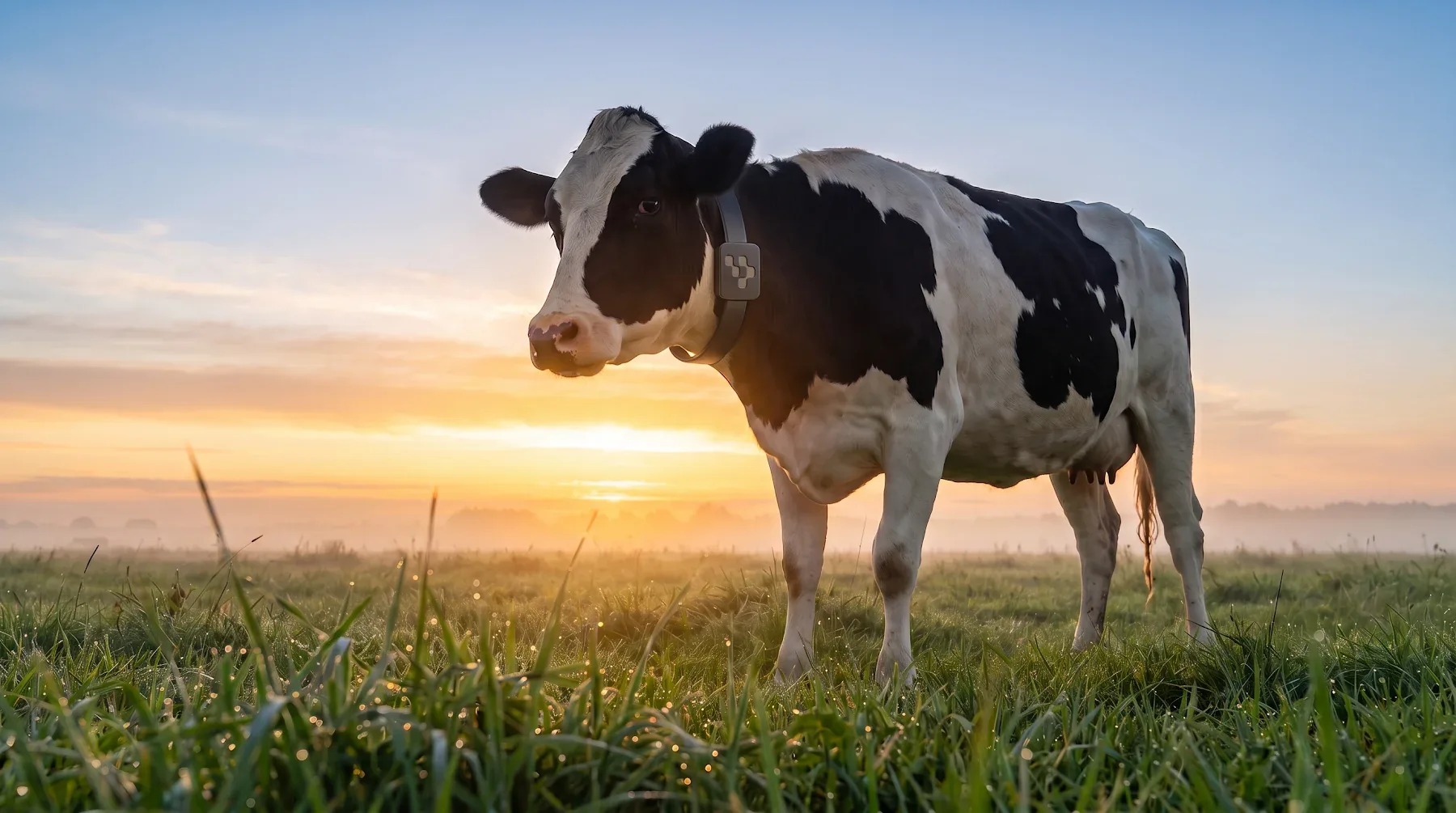
An AI-enabled collar for monitoring activity, rumination, feeding, lying time, breathing, health indicators, reproductive cycles, comfort, and movement. Signals help specialists notice changes earlier and assess them in the context of the herd.
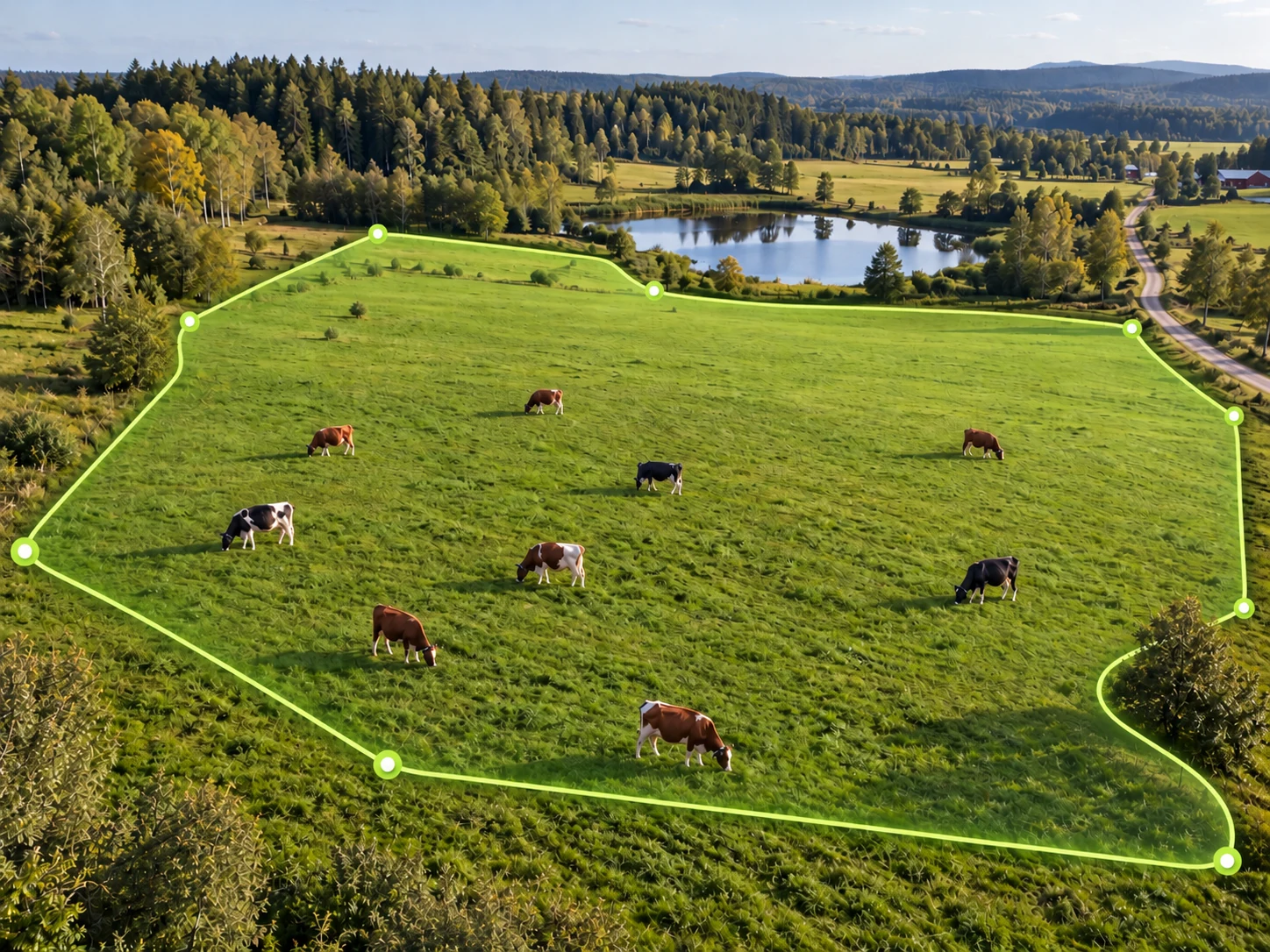
A virtual fencing and herd management system based on Smart Collar, geofences, behavioral analytics, and AI alerts. It supports rotational grazing and clear rules for managing animal movement.
Geofences define the boundaries of the grazing area.
Movement records support rotational grazing.
An operator reviews the grazing plan and movement rules.
The dispatch center, coordinated by the Fleet AI agent, connects each task to machinery operations. A specialist reviews the route, monitors mission progress, and receives a digital report of the result.
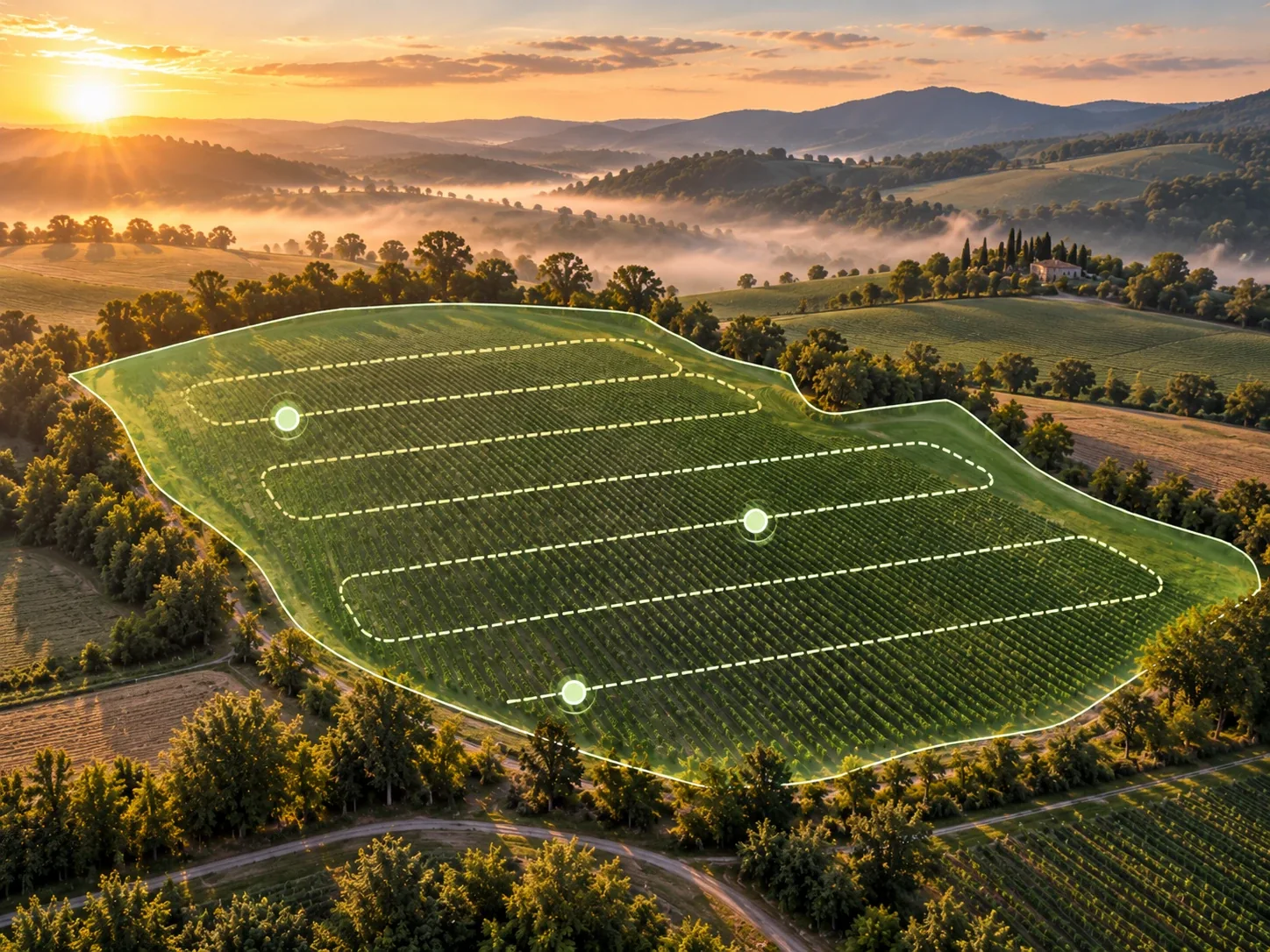
Fleet receives an approved task with a work zone and route. Before launch, a specialist reviews mission parameters and makes adjustments where needed.